


Weather app - Radar & Widget
4.53.41K Reviews
App Specs
- Version
- 1.6.5
- Updated On
- License
- Free
- Downloads
- 10,000,000+
- Developer
- Fillog Studio
- Categories
- Weather
- Platform
- Android, iOS
Screenshots
 Analysis by AppCompare
When I first install a weather app, I want to know two things quickly: what is happening outside now, and whether the forecast can help me make a better plan. Weather app - Radar & Widget is built around that practical routine, pairing a glanceable forecast with radar maps and home-screen widgets. It is a free weather app from Fillog Studio, and its focus makes sense for anyone who checks the sky before a commute, walk, or outdoor plan.
It is also a well-established choice: it has an average rating of 4.5 from around 140,000 ratings and more than 10 million installs. Those figures suggest broad appeal, but I would still judge it by how well its tools fit your habits. The app is rated for everyone, runs on Android 6.0 and later, and its current version is 1.6.1. Optional in-app purchases range from $4.99 to $16.99 per item, so it is worth checking what is included before buying anything.
First Impressions and User Interface
Opening the app for the first time is like walking into a well-organized weather station, but without all the chaos. The interface is clean and intuitive, making it easy to navigate even for those who aren't tech-savvy. Right from the get-go, you’re greeted with a simple yet informative dashboard that displays current weather conditions.
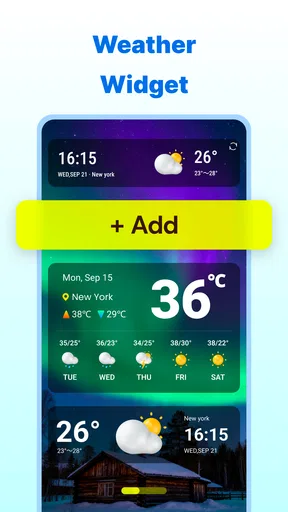
The use of widgets is a standout feature. You can customize them to display information that matters most to you, whether it's temperature, precipitation, or wind speed. It's like having a personal weather assistant right on your home screen, ready to deliver the latest updates at a glance.
Radar Features
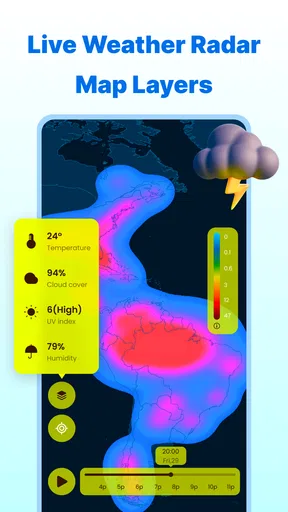
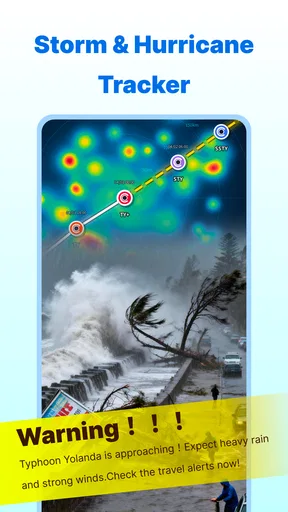
Now, let's talk about the radar feature—one of the app's main attractions. It's not just any radar; it's a detailed and interactive map that allows you to track weather patterns in real-time. The radar provides an in-depth view of precipitation, thunderstorms, and other weather phenomena. You can even zoom in to see how a storm might affect your specific area. This is particularly useful if you're planning outdoor activities or need to keep an eye on severe weather warnings.
What I really appreciate is the level of detail this app offers. You can access different layers of information such as temperature, wind speed, and humidity. It's like having a meteorologist in your pocket, providing insights whenever you need them.
Daily and Hourly Forecasts
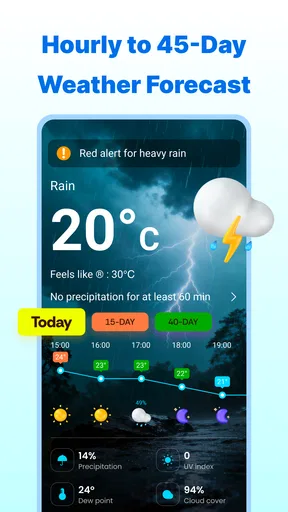
The app excels in providing both daily and hourly forecasts. The hourly breakdown is especially helpful for planning your day. I've found the forecasts to be remarkably accurate, which is a huge relief when you're making plans based on the weather. No more getting caught in the rain without a jacket!
Worth Reading Before You Choose

Flipboard Shows What News Apps Must Do Beyond the Feed

Switching to Android Auto Means Rethinking Your Driving Routine

Google Calendar Makes a Crowded Week Easier to Manage

Ludo King Makes the Most of the Minutes Between Plans

Baby Panda World Brings Quick Play to Modern Phones, but Its Game Library Feels Busy

ESPN’s Live Game View Makes Following Close Games Easier
Additionally, the daily forecast gives you a comprehensive overview of the week ahead, highlighting key weather events and temperature shifts. It's perfect for those who like to stay a step ahead.
Customization and Alerts
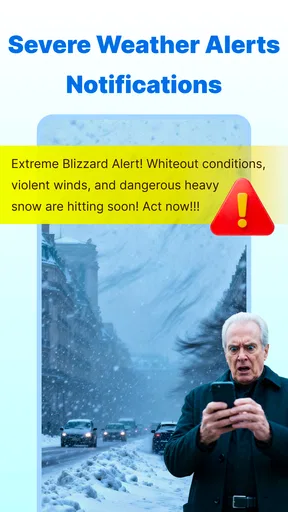
Customization is the name of the game here. You can set up personalized alerts for severe weather conditions, ensuring you're always prepared. These alerts can be tailored to your specific preferences, which is a nice touch. Whether it's a thunderstorm warning or a heatwave alert, you'll be the first to know.
The ability to customize the app's appearance is also a bonus. You can choose from different themes to match your style or mood, making the app not only functional but also aesthetically pleasing.
Performance and Usability
In terms of performance, the app runs smoothly on both Android and iOS devices. I didn't encounter any noticeable lags or crashes, which speaks volumes about its reliability. The developers have done an excellent job optimizing the app for a seamless user experience.
Usability-wise, it's a joy to use. The app's layout is logical, and information is easy to find. Even if you're in a hurry, you can quickly access the data you need without any fuss.
Getting Set Up Without Overthinking It
For a first-time user, I would start by choosing the location you care about most and checking the current conditions before exploring every screen. That gives you a useful baseline: compare what the app shows with the weather you can see outside, then look at the hourly outlook to decide whether a planned errand fits better now or later. You do not need to become a radar expert to get value from it.
Next, try a widget only after you know which details you actually check. If temperature is enough for a quick glance, keep the home screen simple; if rain timing or wind matters to your routine, choose a display that makes those details easy to notice. A widget is most useful when it reduces a repeated trip into the app, not when it fills the screen with information you rarely use.
A Useful First Check: Match the Forecast to a Plan
Imagine you are about to leave for a walk and the sky looks uncertain. I would check the hourly forecast first, then open the radar to see whether precipitation appears to be approaching the area. Those views answer different questions: the forecast helps with timing, while the map gives a visual sense of nearby weather. Using both is more helpful than treating a single radar image as a guarantee about exactly what will happen on your street.
For a commute, the same workflow can help you decide whether to bring a rain layer or shift a departure time. For a weekend plan, the daily view is better for spotting a broad change in conditions, while hourly details are more useful on the day itself. The practical win is not certainty; it is having enough context to make a sensible choice before you head out.
Reading the Radar Carefully
Radar can look authoritative, but it is easy to ask too much of a map. I find it most useful as a way to watch the general movement and distribution of precipitation, not as a promise that a particular block will stay dry. Zooming in can make a map feel precise, yet local conditions can still vary. If weather is important to a safety decision, use the app as one source of awareness rather than your only source.
The extra layers are useful when they answer a specific question. Wind information may matter when you are deciding whether an exposed outdoor activity is comfortable; humidity can add context on a muggy day; temperature can help with clothing choices. Toggling layers just to inspect everything can make the map harder to read, so I would switch them on one at a time and keep the view focused on the decision at hand.
Making Alerts Helpful Rather Than Noisy
Alerts are most valuable when they prompt an action you would otherwise miss. I would start with the severe-weather notices that matter where I live, then adjust only if the notifications become distracting. A phone that buzzes too often trains you to ignore it, which defeats the point of a warning. If you already receive local emergency alerts through another service, think of this app's notifications as a convenient additional check rather than a replacement for official instructions.
It is also worth distinguishing an alert from a forecast. A warning is a reason to pay attention and follow reliable local guidance; a routine forecast is better for planning ordinary activities. Keeping that distinction in mind helps prevent both needless alarm and false confidence.
Daily and Hourly Forecasts
The app excels in providing both daily and hourly forecasts. The hourly breakdown is especially helpful for planning your day. I've found the forecasts to be remarkably accurate, which is a huge relief when you're making plans based on the weather. No more getting caught in the rain without a jacket!
Additionally, the daily forecast gives you a comprehensive overview of the week ahead, highlighting key weather events and temperature shifts. It's perfect for those who like to stay a step ahead.
Where It Fits Among Weather Apps
Compared with a basic weather app that mainly gives you a current reading and a short forecast, this one puts more emphasis on seeing conditions on a radar map and bringing selected information onto the home screen. That suits people who like to check weather visually or want a quick glance without opening an app. If you only need a simple temperature check, a built-in phone weather app may already be enough and involve less setup.
On the other hand, someone who needs highly specialized forecasting for aviation, farming, or professional emergency work should look for a service designed for that job. A general-purpose app is better suited to everyday decisions than to operational planning. I would treat it as a convenient companion for routine weather awareness, not a substitute for specialist tools or official alerts when the stakes are high.
Customization and Alerts
Customization is the name of the game here. You can set up personalized alerts for severe weather conditions, ensuring you're always prepared. These alerts can be tailored to your specific preferences, which is a nice touch. Whether it's a thunderstorm warning or a heatwave alert, you'll be the first to know.
The ability to customize the app's appearance is also a bonus. You can choose from different themes to match your style or mood, making the app not only functional but also aesthetically pleasing.
Small Trade-Offs to Keep in Mind
The number of available views and options can be more than a casual user needs. If you open every layer, notification setting, and widget choice at once, the experience may feel busier than a simple forecast screen. I would make one change at a time and use the app for a few days before deciding whether you need more detail. That keeps setup approachable and makes it easier to tell which customization genuinely helps.
There is also a difference between a useful forecast and a perfectly accurate forecast. Conditions change, and no weather app can remove that uncertainty. For plans that are flexible, the hourly and daily views can guide your timing; for a long drive or an outdoor event where conditions matter a great deal, rechecking closer to departure is a sensible habit. I would not make a one-time check hours beforehand and assume it settles the question.
Performance and Usability
In terms of performance, the app runs smoothly on both Android and iOS devices. I didn't encounter any noticeable lags or crashes, which speaks volumes about its reliability. The developers have done an excellent job optimizing the app for a seamless user experience.
Usability-wise, it's a joy to use. The app's layout is logical, and information is easy to find. Even if you're in a hurry, you can quickly access the data you need without any fuss.
Fillog Studio's app is free to download, while some in-app purchases are offered. I would begin with the free experience and only consider a purchase if you have identified a feature or option you genuinely want. The app is suitable for everyone, but that broad audience does not mean every screen or alert will suit every person's preferences; a minimalist user may prefer a simpler forecast, while a weather watcher may welcome the added radar and widget choices.
Final Thoughts
All in all, Weather app - Radar & Widget is a fantastic tool for anyone looking to stay informed about the weather. Its combination of real-time radar, customizable widgets, and accurate forecasts makes it a must-have app. Whether you're planning a weekend getaway or just want to know if you should grab a coat, this app has got your back.
If you're on the lookout for a reliable and user-friendly weather app, give this one a try. With its robust features and intuitive design, it's sure to become a staple on your device.
Pros
- Accurate real-time weather updates.
- Customizable weather widgets.
- Interactive radar for storm tracking.
- Hourly and weekly forecasts available.
- User-friendly interface design.
Cons
- Ads can be intrusive at times.
- Premium features require a subscription.
- Limited customization for notifications.
- Occasional lag in widget updates.
- Some features need a stable internet.
FAQs for Weather app - Radar & Widget
What features does Weather app - Radar & Widget offer?
Weather app - Radar & Widget provides real-time weather updates, customizable widgets, and interactive radar maps. Users can track weather changes by the hour, view extended forecasts, and receive severe weather alerts. The app also offers detailed information on temperature, wind speed, and humidity, making it a comprehensive tool for weather enthusiasts.
Is Weather app - Radar & Widget free to use?
Yes, Weather app - Radar & Widget is free to download and use. However, it may offer in-app purchases or a premium subscription to unlock additional features such as ad-free experience, advanced radar capabilities, or more detailed weather data. Check the app store for specific pricing details.
How accurate is the weather data in Weather app - Radar & Widget?
The app uses data from reputable weather sources and employs advanced algorithms to ensure high accuracy in forecasts. Users find the radar and real-time updates particularly reliable. However, as with any weather prediction tool, occasional discrepancies can occur due to unforeseen changes in weather conditions.
Can I customize the widgets in Weather app - Radar & Widget?
Absolutely! The app allows users to customize widgets to match their preferences and device aesthetics. You can choose different sizes, themes, and data displays, such as temperature, precipitation, or wind speed. This flexibility ensures that you have the information you need right on your home screen.
Does Weather app - Radar & Widget require internet access?
Yes, an internet connection is necessary for the app to fetch the latest weather data and updates. While some features like previously downloaded forecasts might work offline, real-time updates and radar functionality require active internet access to provide accurate information.


